Two Prices, Not One
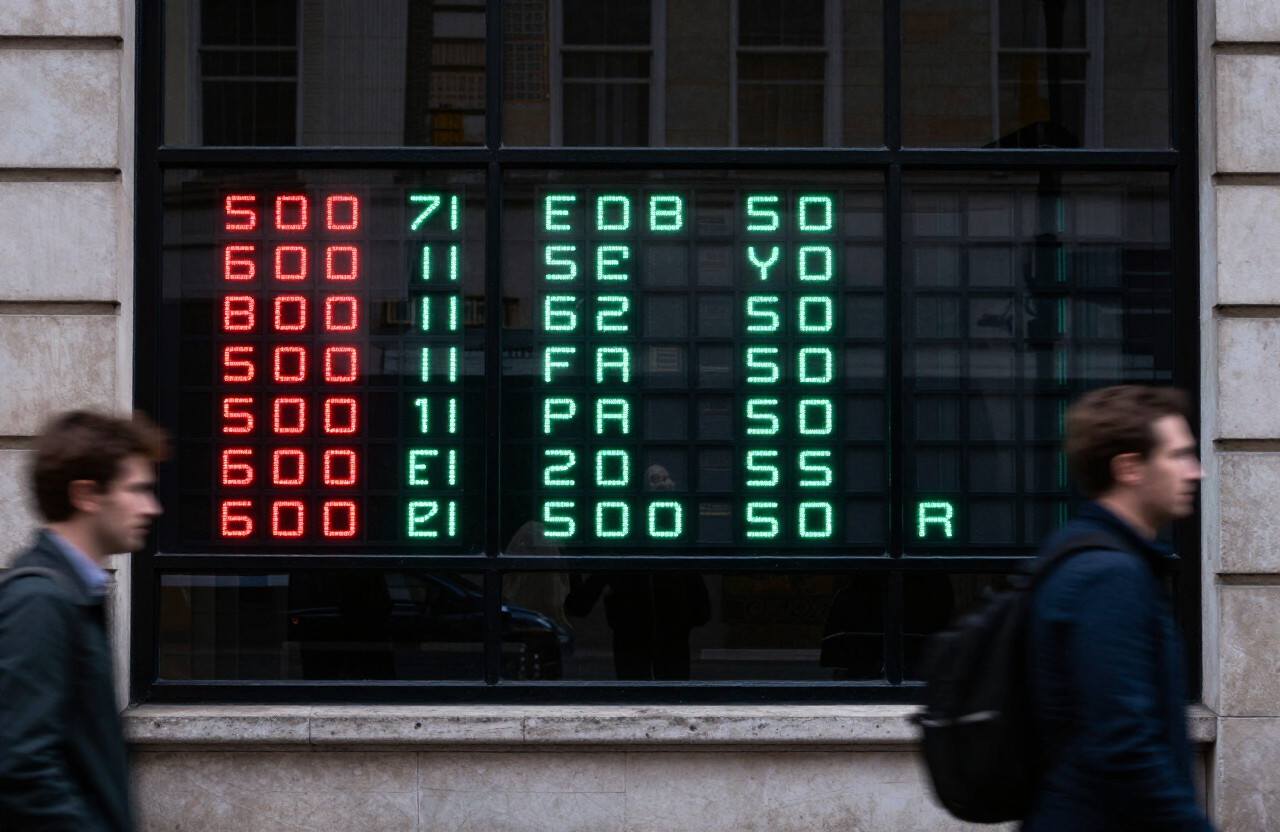
Every exchange board shows two columns for each currency: buy and sell. The critical thing to understand is that these columns describe the shop's perspective, not yours:
- We buy — the rate at which the shop buys foreign currency from you (what you get when selling your leftover euros, for example)
- We sell — the rate at which the shop sells foreign currency to you (what you pay when buying travel money)
The buy price is always worse for you than the sell price. The gap between them is the spread, and it is the shop's primary source of profit.
The Ten-Second Fairness Test
Before you travel, look up the mid-market rate for your currency pair — the one shown by our converter or any financial news site. At the exchange counter, compare the board against that benchmark:
- Within 1–2% of mid-market: an excellent rate, typical of the best city-center exchanges
- 3–5% away: acceptable for convenience, common at bank branches
- More than 8% away: walk away — this is airport-kiosk territory
The "0% Commission" Illusion
A bold "No Commission!" sign tells you nothing about the rate itself. A shop can charge zero commission and still give you a terrible deal by widening the spread. Commission is a visible fee; the spread is an invisible one. Always judge the final number of foreign currency units you receive per unit of your money — that single figure captures every cost.
A Worked Example
Suppose the mid-market rate is 1 USD = 0.92 EUR. You want to exchange $500:
- A fair exchange at 2% margin gives you roughly €451
- An airport kiosk at 10% margin gives you roughly €414
- The difference — €37 — is the price of not checking the board
Quick Rules of Thumb
- Compare the board to the mid-market rate, not to other kiosks nearby
- Bigger spreads on exotic currencies are normal; bigger spreads on USD/EUR/GBP are a red flag
- If the board only shows one column, ask for both directions before handing over cash
- When in doubt, a local ATM with a no-foreign-fee card usually beats any physical counter