What Is Dynamic Currency Conversion?
Dynamic Currency Conversion (DCC) is a service offered by some merchants and ATM operators abroad that lets you pay or withdraw in your home currency instead of the local one. It sounds helpful — you see a familiar number instead of doing mental math — but that convenience comes at a price that is rarely disclosed clearly.
When you accept DCC, the merchant's payment provider sets the exchange rate, not your bank. That provider is free to build a margin into the rate, and industry analyses consistently find markups between 3% and 12% above the mid-market rate. On a two-week vacation, that can easily add up to the cost of a nice dinner — or a flight.
How to Spot It
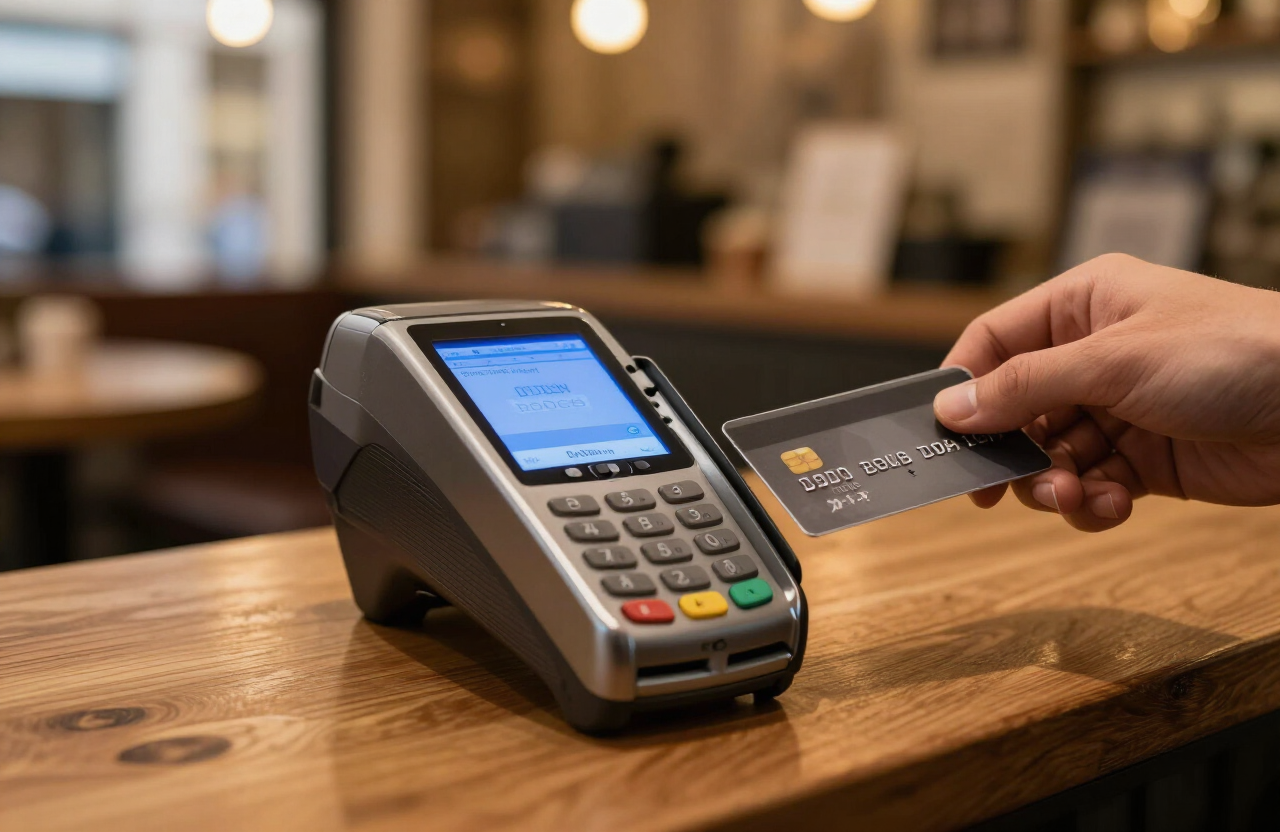
DCC usually appears as a question on the terminal screen or a printed prompt on the receipt:
- "Pay in USD?" or "Charge in your home currency?"
- Two amounts side by side — one in the local currency, one in yours
- An ATM asking whether you want to proceed "with conversion" or "without conversion"
The wording is often designed to nudge you toward conversion, sometimes highlighting it as the "recommended" or pre-selected option. Take your time at the terminal — you always have the right to choose.
The Simple Rule
Always choose to be charged in the local currency. When you decline DCC, your own card network (Visa, Mastercard, etc.) performs the conversion at a rate very close to the mid-market rate. Even if your card charges a foreign transaction fee, the total cost is almost always lower than the DCC markup.
Is DCC Ever Worth It?
Rarely. The only scenario where DCC might make sense is if you need absolute certainty about the exact amount that will appear on your statement for expense reporting — and even then, you are paying a premium for that predictability. For everyday travelers, declining DCC is one of the easiest money-saving habits you can build.
Your DCC Avoidance Checklist
- Choose the local currency at every terminal and ATM
- If a cashier selects your home currency for you, politely ask them to void and rerun the transaction
- Check your receipts — the currency code should match the country you are in
- Pair the habit with a card that charges no foreign transaction fees
Want to see what the fair rate actually looks like before you pay? Run the amount through our currency converter and compare it against the number on the terminal screen.